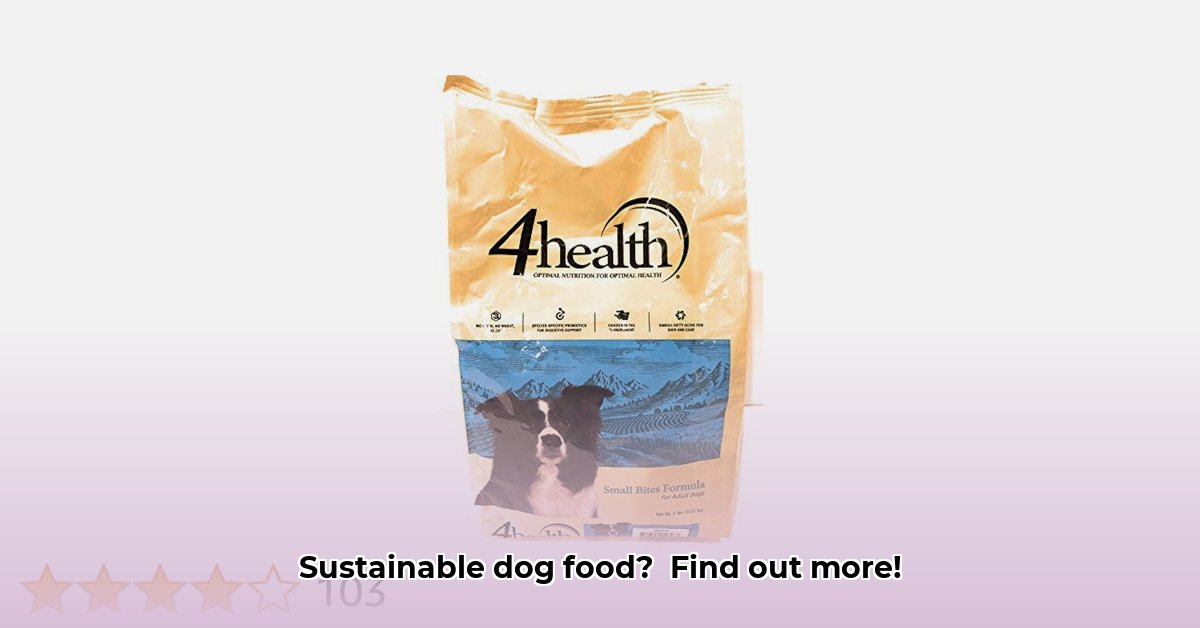
Choosing the right dog food involves more than just ensuring your canine companion thrives; it also means considering the environmental impact. For more information on Tractor Supply's dog food options, check out this helpful resource. Tractor Supply's lamb and rice dog food presents a popular option, but how does it fare concerning sustainability? Let's delve into the complexities of this seemingly simple choice, examining the environmental footprint of lamb and rice production and exploring ways to make more eco-conscious decisions for your pet.
Lamb and Rice Dog Food Tractor Supply: A Pawsitive Choice for Planet and Pet?
The popularity of lamb and rice dog food stems from lamb's high-quality protein and rice's digestibility. However, the question remains: what's the environmental cost? Understanding this necessitates exploring the farming practices behind these ingredients. Isn't it crucial to understand the full impact of our choices, especially when it comes to our beloved pets?
The Environmental Paw Print of Lamb and Rice
Traditional lamb and rice farming practices aren't always environmentally friendly. Sheep farming, with its vast grazing lands, can contribute to habitat loss and deforestation. Similarly, rice paddies, often requiring significant water resources, can lead to water pollution and methane emissions (a potent greenhouse gas). But before dismissing lamb and rice entirely, let's look at the progress being made toward sustainability. After all, isn't it a good idea to look beyond the simple good/bad dichotomy and focus on progress and solutions?
Sustainable Farming: A Greener Grazing Ground
A significant shift toward sustainable agricultural practices is underway. Innovative techniques are minimizing the environmental impact of lamb and rice production. Let's examine some key examples:
Rotational Grazing: This method involves moving sheep across different pastures, preventing overgrazing and promoting soil health. This is analogous to giving the land a rest, allowing it to regenerate naturally.
Water-Wise Irrigation: Drip irrigation, a precision watering system, delivers water directly to rice roots, greatly reducing water waste compared to flood irrigation. Think of it as a targeted shower for your rice plants versus a deluge.
Integrated Pest Management: Sustainable farming prioritizes reducing pesticide use through integrated pest management strategies, safeguarding biodiversity and reducing water pollution. It's a balanced approach to pest control that minimizes environmental harm.
These sustainable practices significantly reduce the environmental impact of lamb and rice production, making them more viable options for eco-conscious pet owners. But how can you, as a consumer, ensure you're supporting these practices?
Choosing Sustainable Lamb and Rice: What to Look For
To make truly informed choices, consider these key factors when purchasing lamb and rice dog food:
Transparency in Sourcing: Look for brands that clearly detail the origin of their ingredients and their farming practices. Transparency builds trust and allows you to make educated decisions about where your pet’s food comes from.
Brand Commitment to Sustainability: Companies dedicated to sustainability will actively communicate their environmental efforts and initiatives. This includes openly sharing information about their supply chain and farming methods.
Third-Party Certifications: Look for certifications from reputable organizations that verify sustainable agricultural practices. These certifications provide independent validation of a brand's environmental claims.
Beyond the Bowl: A Holistic View
The environmental impact of pet food extends beyond farming practices. Transportation plays a vital role. Choosing locally sourced ingredients reduces the carbon footprint associated with transportation, minimizing the overall environmental impact.
Small Steps, Big Difference: Your Role in a Sustainable Future
Making sustainable choices for your pet's food is a collective effort. We can all contribute to creating a greener pet food industry. Here’s how:
Research Brands: Take the time to understand each brand's commitment to sustainability. Examine their websites, read reviews, and look for evidence of responsible sourcing.
Carefully Read Labels: Scrutinize the labels. Look for details about sourcing, farming methods, and certifications. This diligent approach ensures you're making an informed choice.
Support Eco-Conscious Companies: By purchasing from sustainable brands, you're directly supporting their efforts and incentivizing other brands to follow suit. Your consumer choices have a powerful impact.
Explore Alternative Protein Sources: Consider broadening your pet's diet to include alternative protein sources, which might have a lower environmental impact than lamb. A balanced approach to nutrition and environmental responsibility is possible.
Choosing eco-friendly pet food doesn't have to be a compromise. By making informed choices, we can collectively create a more sustainable future for both our pets and the planet. It's a win-win, ensuring happy, healthy pets while minimizing our environmental impact.